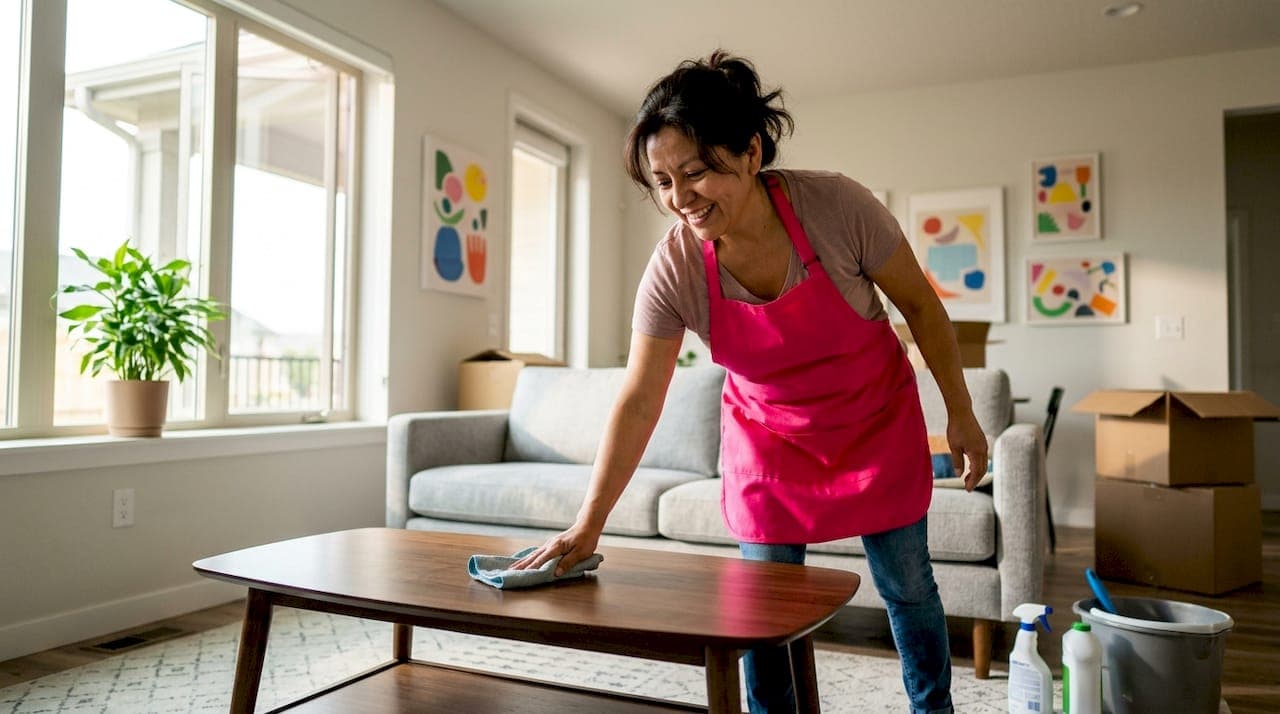
Move-in cleaning is defined as a comprehensive, top-to-bottom sanitation performed before you unpack a single box, resetting a home's hygiene to a standard that reflects your own care and values. This process goes well beyond a standard wipe-down. It targets hidden grime, chemical residues, allergens, and bacteria left behind by previous occupants or construction crews. With move-in cleaning explained clearly, you can protect your health from day one, set a foundation of comfort, and avoid costly maintenance surprises later. Candiglitzllc treats this process as one of the most meaningful services we offer, because a clean space is a reflection of respect for the people who live in it.
What are the essential tasks in a move-in cleaning?
A thorough move-in deep cleaning covers far more than visible surfaces. The goal is to sanitize every area a previous occupant touched, breathed near, or left residue on, including spots most people never think to check.
The core tasks fall into a clear order of priority:
- Replace HVAC filters. Replace HVAC filters first to stop dust and contaminants from recirculating through the air as you clean every other surface.
- Sanitize high-touch surfaces. Sanitize handles, switches, faucets, and toilet seats immediately. These areas carry the highest bacterial load from previous residents.
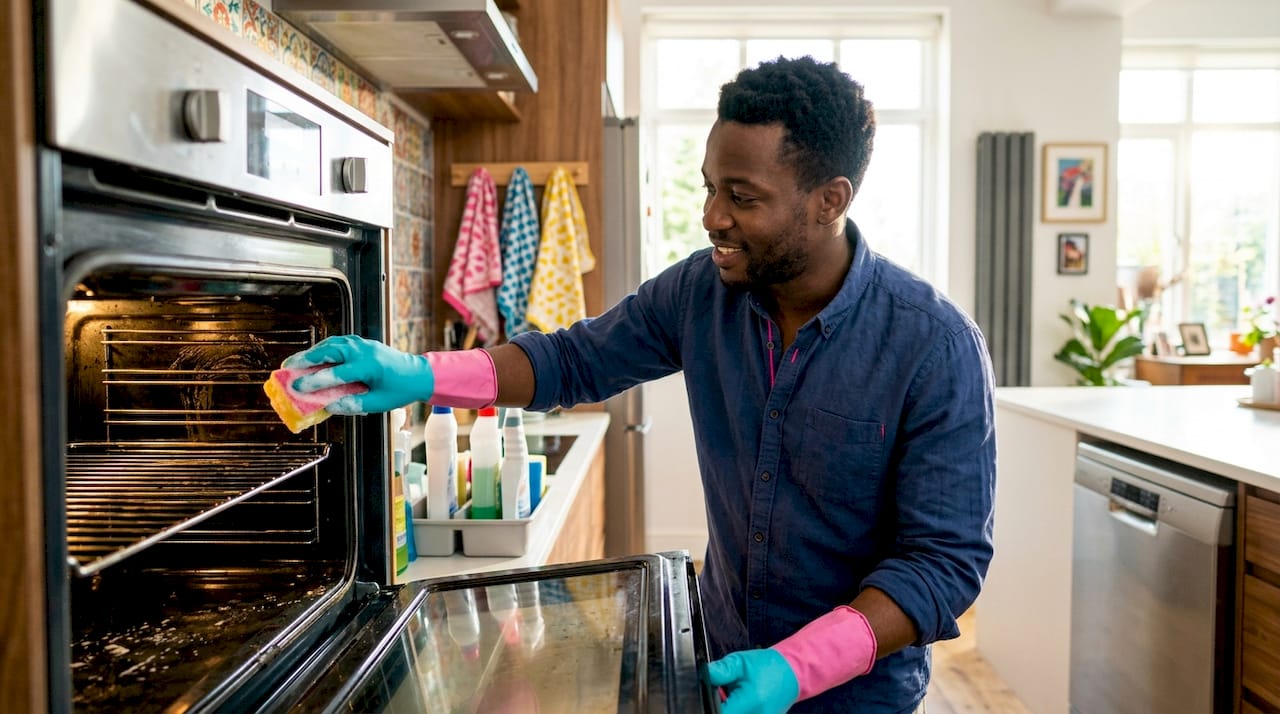
- Deep clean kitchen interiors. Scrub inside cabinets, drawers, the oven, and the refrigerator. Apply cleaning agents and let them sit while you move to other rooms.
- Clean bathroom surfaces thoroughly. Scrub grout, disinfect the toilet bowl and tank, and clean behind the toilet and under the sink.
- Clear dryer vents and dishwasher filters. Lint buildup in dryer ducts is a leading cause of residential fires. Cleaning these vents at move-in is a safety step, not just a hygiene one.
- Wipe down ceiling fans, baseboards, and vents. Dust from these areas falls onto every surface below, so they must be addressed before floors.
- Run appliance cleaning cycles. Running an empty cycle with white vinegar in the dishwasher and washing machine removes odors and residue from previous use.
- Clean floors last. Sweep, mop, and vacuum only after all overhead and surface work is complete.
Pro Tip: Apply oven cleaner and cabinet degreaser at the very start of your session. Let those products work while you handle HVAC filters and high-touch surfaces. You will cut your total cleaning time significantly.
The kitchen and bathroom are the heartbeat of any new home. Cleaning these areas first sets a foundation for hygiene and comfort that carries through every other room.
How and when should you schedule a move-in cleaning?
Timing is the single biggest factor in how effective your move-in cleaning will be. The ideal window is 24 hours before furniture arrives, when the home is completely empty. Empty rooms give you full access to floors, walls, and corners that furniture will permanently block once you move in.
Once furniture is in place, access to deep-clean critical areas closes permanently. That is not an exaggeration. The space behind a refrigerator or under a built-in cabinet may never be reachable again without a full move-out.
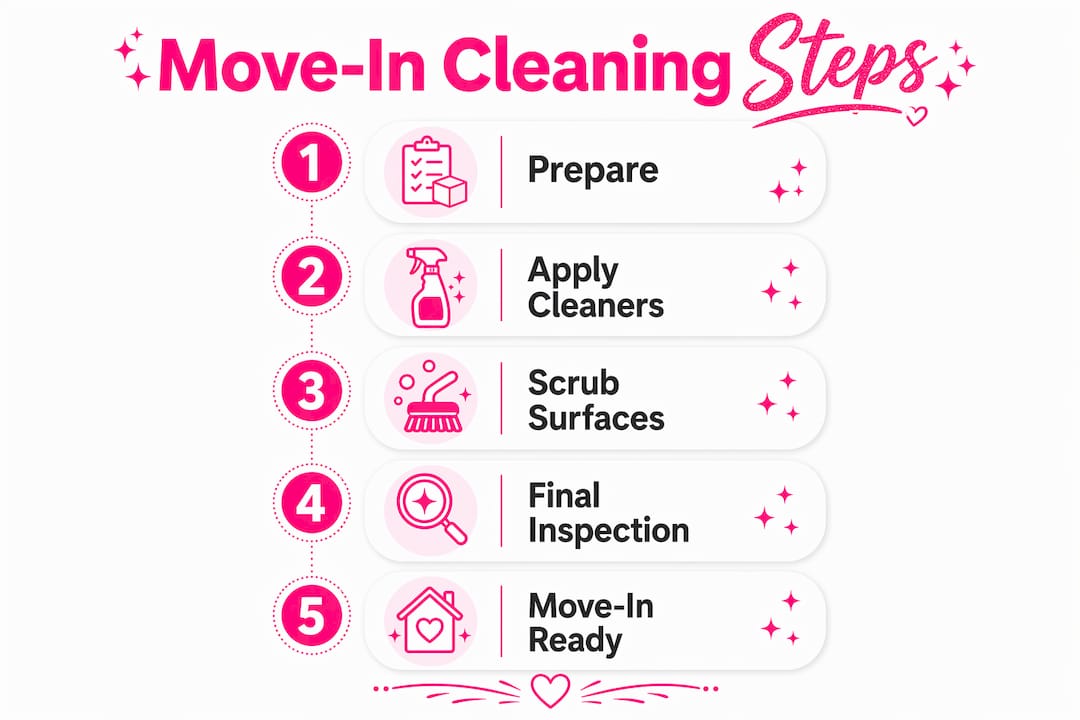
The right sequence protects your work from re-soiling:
- Start at the top of each room: ceiling fans, light fixtures, and vents first
- Move to walls, windows, and upper cabinets
- Clean countertops, appliances, and mid-level surfaces next
- Finish with baseboards and floors
This top-to-bottom cleaning strategy prevents dust and debris from falling onto surfaces you have already cleaned. Skipping this order means re-doing work, which wastes time and energy.
A solo homeowner should expect a thorough clean to take 6–8 hours for an average-size home. That estimate assumes you have all supplies ready before you start. Running out of paper towels or disinfectant mid-session breaks your rhythm and adds time.
Pro Tip: If you cannot clean before moving in, prioritize the kitchen, bathrooms, and HVAC filter on day one. Handle floors and secondary rooms over the following two days before you fully unpack those spaces.
What common pitfalls do new movers face during move-in cleaning?
Most move-in cleaning mistakes fall into three categories: chemical errors, skipped systems, and poor sequencing. Each one costs you time, money, or safety.
- Mixing incompatible chemicals. Mixing household chemicals like bleach and ammonia-based cleaners produces toxic fumes. Always read product labels and use one product at a time on each surface.
- Skipping dryer vent cleaning. Lint accumulation in exhaust ducts is a fire hazard that previous owners may have ignored for years. This step is non-negotiable.
- Cleaning floors before overhead surfaces. Dust from ceiling fans and vents falls directly onto freshly mopped floors. Always work top to bottom.
- Underestimating time. New movers routinely plan two hours and need eight. Build a full day into your schedule.
- Skipping protective gear. Heavy-duty oven cleaners, mold removers, and grout cleaners require gloves and ventilation. Skin contact with concentrated cleaning agents causes chemical burns.
"Move-in cleaning functions as a risk mitigation strategy. A thorough clean before unpacking uncovers hidden issues, from mold behind appliances to chemical residues on surfaces, that could cause health hazards or costly repairs if left unaddressed."
The most overlooked safety step is the dryer vent. Checking and cleaning dryer vents at move-in is a frequently skipped task with serious consequences. Do not treat it as optional.
What tools and products support an efficient move-in cleaning?
The right supplies make the difference between a thorough clean and a surface-level wipe-down. Gather everything before you start so you never lose momentum mid-task.
Essential tools and products:
- Microfiber cloths (at least 12, separated by room)
- A HEPA-filter vacuum for dust and allergen capture
- A mop with a washable head
- Scrub brushes in multiple sizes for grout and tight corners
- A step ladder for ceiling fans and high shelves
- EPA-registered disinfectants for high-touch surfaces
- Baking soda and white vinegar for appliance cycles and odor removal
- Oven cleaner and degreaser for kitchen surfaces
- Grout cleaner and a stiff-bristle brush for bathroom tile
A customizable move-in cleaning checklist keeps you on track room by room. Printable versions let you check off tasks as you go, which prevents skipping areas and gives you a clear record of what was done.
| Product type | Best use |
|---|---|
| EPA-registered disinfectant | High-touch surfaces: handles, switches, faucets |
| White vinegar solution | Appliance cycles, glass, and odor removal |
| Baking soda paste | Grout scrubbing and oven interior |
| Degreaser spray | Kitchen cabinets, stovetop, and range hood |
| Mold and mildew remover | Bathroom grout, caulk lines, and under-sink areas |
Replenish your supply kit two days before your cleaning session. Running out of a product mid-task forces you to stop, shop, and restart, which breaks your momentum and extends your total time.
How does move-in cleaning benefit long-term home health and comfort?
A thorough move-in clean is an investment that pays back over years, not just on move-in day. The benefits extend well beyond a sparkling first impression.
- Better indoor air quality from day one. Indoor air is often 2–5 times more polluted than outdoor air. Replacing HVAC filters and removing dust from vents directly reduces airborne allergens and contaminants.
- Mold and allergen prevention. Cleaning behind appliances and under sinks uncovers moisture and mold growth before it spreads to walls and subfloors.
- Early detection of structural issues. Cleaning tight spaces reveals water damage, pest activity, and worn seals that a visual walkthrough misses.
- Psychological comfort and pride. A home you cleaned yourself, or had professionally cleaned, feels genuinely yours from the first night. That sense of ownership matters.
- Lower long-term maintenance costs. Addressing grime, residue, and hidden buildup at move-in prevents the kind of deep-seated damage that requires professional remediation later.
You can find more guidance on maintaining clean, healthy spaces through the Candiglitzllc cleaning blog, which covers expert tactics for every room and cleaning scenario. Scheduling and sequencing advice for whole-home sessions is also available in the guide on whole house cleaning over a weekend.
Key Takeaways
A successful move-in cleaning requires the right timing, a top-to-bottom sequence, and attention to critical systems like HVAC filters and dryer vents before a single box is unpacked.
| Point | Details |
|---|---|
| Time it before furniture arrives | Clean 24 hours before move-in when every surface is fully accessible. |
| Replace HVAC filters first | This prevents dust from recirculating onto every surface you clean. |
| Sanitize high-touch areas early | Handles, switches, and faucets carry the highest bacterial load from previous residents. |
| Never skip dryer vent cleaning | Lint buildup in exhaust ducts is a leading cause of residential fires. |
| Use a room-by-room checklist | A printed checklist prevents skipped areas and keeps your session on track. |
What I have learned from years of move-in cleaning
People consistently underestimate what a move-in clean actually requires. They picture a quick wipe-down and a mop. What they actually need is a full-day sanitation of every surface a stranger has ever touched, breathed on, or left residue near. That gap between expectation and reality is where most new movers struggle.
The biggest misconception I see is that a home that "looks clean" is clean. Builders leave construction dust in vents. Previous tenants leave grease inside cabinets and mold behind the refrigerator. None of that is visible on a walkthrough. You only find it when you get in close with the right products and a real plan.
My honest advice: treat the move-in clean as the most important thing you do before you unpack. Not the most glamorous, but the most important. A home that starts clean stays cleaner longer, costs less to maintain, and simply feels better to live in. That is not sentiment. That is the practical result of doing the work right the first time.
If you are short on time, prioritize the kitchen, bathrooms, and HVAC filter. Everything else can follow. But do not skip those three. They set the standard for everything that comes after.
— Tanna
How Candiglitzllc makes your move-in clean effortless
Moving is already one of the most demanding experiences a person goes through. Adding a full-day deep clean to that list is a real burden, and skipping it is not a real option if you want a healthy, comfortable start.
Candiglitzllc specializes in premium move-in and move-out cleaning for homeowners, renters, and property managers across the greater Atlanta area. Our team follows a detailed, room-by-room protocol that covers every task in this guide, from HVAC filter replacement to dryer vent clearing and appliance cycles. Our property management cleaning services and commercial cleaning services reflect the same precision and care we bring to every residential move-in. When you want the job done right the first time, we are ready to make your new space truly "Glitzed."
FAQ
What is move-in cleaning?
Move-in cleaning is a comprehensive deep sanitation performed before unpacking, targeting surfaces, appliances, vents, and hidden areas left by previous occupants. It goes well beyond routine cleaning in scope and thoroughness.
How long does a move-in cleaning take?
A thorough move-in clean takes 6–8 hours for an average-size home when done by one person. Larger homes or heavily soiled spaces require more time or additional help.
What should I clean first when moving into a new home?
Replace the HVAC filter first, then sanitize high-touch surfaces like handles, switches, and faucets. Starting with the kitchen and bathrooms sets the hygiene foundation for the rest of the home.
Is it safe to mix cleaning products during a move-in clean?
Mixing incompatible chemicals, such as bleach and ammonia, produces toxic fumes and is never safe. Use one product at a time on each surface and always follow label instructions.
Should I hire a professional for move-in cleaning?
Professional move-in cleaning services deliver consistent, thorough results and free you to focus on the move itself. They are especially valuable for larger homes, tight timelines, or properties with visible mold, heavy grease, or long vacancy periods.